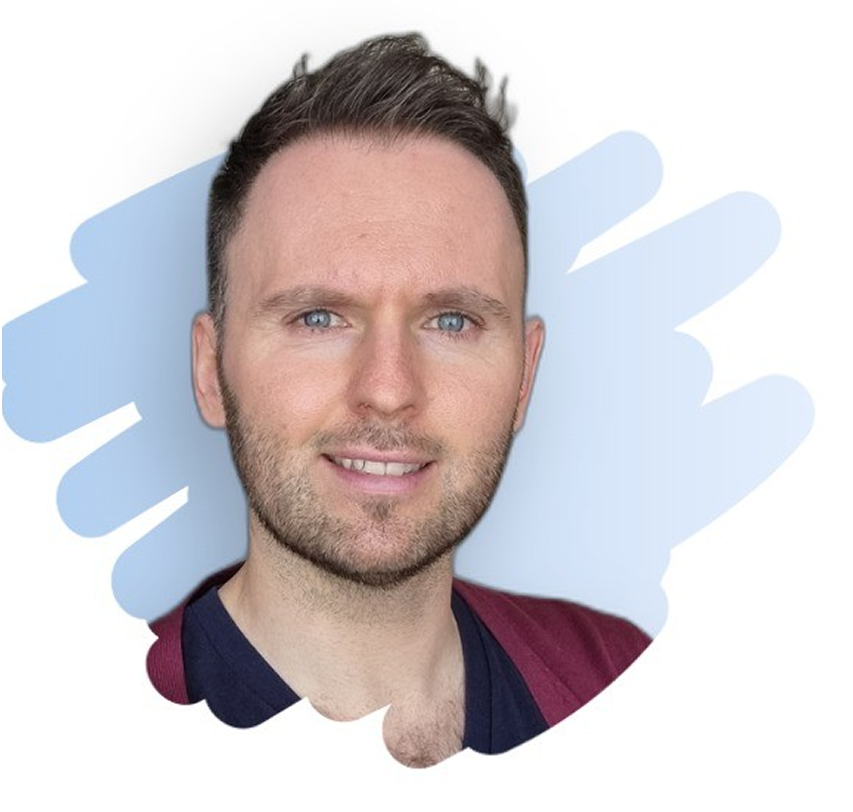
I'm Steven. I run OKRs Tool — built for the person who's been handed OKRs and needs them to actually work.
Most OKR programs fall apart at cycle two.
Teams new to OKRs almost always begin well. Small scope, clear goals, everyone paying attention. Then the second cycle comes around — and the check-ins slow, the goals drift from the daily work, and one Monday morning someone asks the quiet question:
What were our goals again?
I'd watched that happen at company after company, including my own. The effort was always there; the system wasn't. Teams would repurpose a spreadsheet or a project tool, it worked for a while, and then it quietly stopped — usually right when the team got big enough to need it most.
I founded OKRs Tool in 2025 to build it into the tool I'd wanted all along. Before shipping much of anything, I spent months inside the landscape, signing up for every OKR platform I could find and opening a real account on each one. I created objectives, set key results, ran weekly check-ins, and tested every corner of the UI, because I wanted to know exactly where the gaps were.
What I found: the enterprise platforms (Lattice, Quantive, Betterworks) were built for HR roll-ups and quarterly governance. The lightweight tools (Tability, Weekdone, Perdoo) were either too simple to scale past one team, or priced per user in a way that punished you for rolling out widely. Nobody was building for the operator running OKRs inside a 50–200 person company — the person who needs enough structure to make OKRs survive cycle two, but has no appetite for a procurement process or a six-figure contract.
That's the gap OKRs Tool fills — today for 350+ teams across 29 countries, from Trillium Information Security and Nextbitt to Firmaway and a growing list of multi-brand groups rolling OKRs out across every company they own.
Every one of those teams arrived at roughly the same moment. A new VP or head of department walks in with a mandate to make goals work. A board asks for OKRs and someone gets handed the job. A company grows past the point where a spreadsheet holds the picture together. Or the OKR tool a team already relied on gets discontinued, repriced, or switched off mid-cycle, and they need somewhere to land fast. The trigger changes; the person underneath it is the same — someone who now owns OKRs and needs a system that makes them real.
I've spoken with hundreds of those people, and I write down what they say after every call. That running record is what shapes the product: which problems keep recurring, which words customers actually use, where a spreadsheet quietly stops working. OKRs Tool is built from those conversations, cycle after cycle, so the product keeps tracking what customers actually run into.
Four opinions that shape everything I ship.
The principles I keep coming back to when deciding what OKRs Tool should — and shouldn't — do.
Where things stand today.
A real, profitable, customer-funded business — built deliberately small.
Built for the person who got handed OKRs.
If you recognise the moment you're in below, this was built for you.
You reach the person who builds the product.
OKRs Tool is run from Tallinn, Estonia, as a profitable, customer-funded business built deliberately small. When you email support, the reply usually comes from me, inside a few hours on a business day. When you ask for something new, the request lands straight with the person who can build it.
That shows up in the work. A multi-entity group asked for a modular way to link objectives, key results and initiatives to fit how their companies run goals; the first version was in their account within days. A customer migrating two years of history off a tool that had cut them off was live in a matter of days, set up without their IT team. Being small is the feature: fast answers, fast changes, and a direct line to the person accountable for both.
For larger rollouts that need it, there's an SLA, EU data residency and GDPR compliance, implementation support through trusted partners, and the security and controls enterprise teams review for. The speed of a small team, with the assurances a serious rollout needs.
Trillium brought 250 OKRs into OKRs Tool on day one — and they're still running, a year on.
At 130 people, chasing everyone for updates wasn't sustainable. I needed a system where the tool does the chasing. I set it up in minutes, without training anyone.

I meet your team inside the tools they already use.
OKRs Tool today is a complete platform: company-wide OKR setup, team alignment, weekly nudges, AI Insights, AI Coach, KPI tracking, performance reviews, 360s, 1:1s, engagement surveys, 10 integrations, an MCP server for AI assistants, and a guarantee that the rollout actually sticks. What comes next is reaching teams on every surface they work from.
Most of that is already shipped. OKR updates happen in Slack. Microsoft shops get native check-ins in Teams. Jira, Asana, Linear and ClickUp sync KR progress automatically. And with the MCP server, you can ask Claude or any AI assistant about your OKRs directly.
- Trello integration — link cards and boards to Key Results for lightweight teams
- Responsive web design — the full treatment across tablet and mobile browsers
- Native mobile apps — iOS and Android for checking in on the go
Roll out OKRs that survive past cycle one.
Set it up in an afternoon, invite your whole team, and run a real cycle on flat per-organisation pricing. If your team reaches 60% adoption in 30 days you keep going; if it doesn't, you get a full refund.